

Origin intelligence

Timor-Leste Coffee.

Geography, genetics, processing and trade information for one of the smallest and least-documented Arabica origins in Asia. Written for buyers and researchers who need specifics rather than atmosphere.

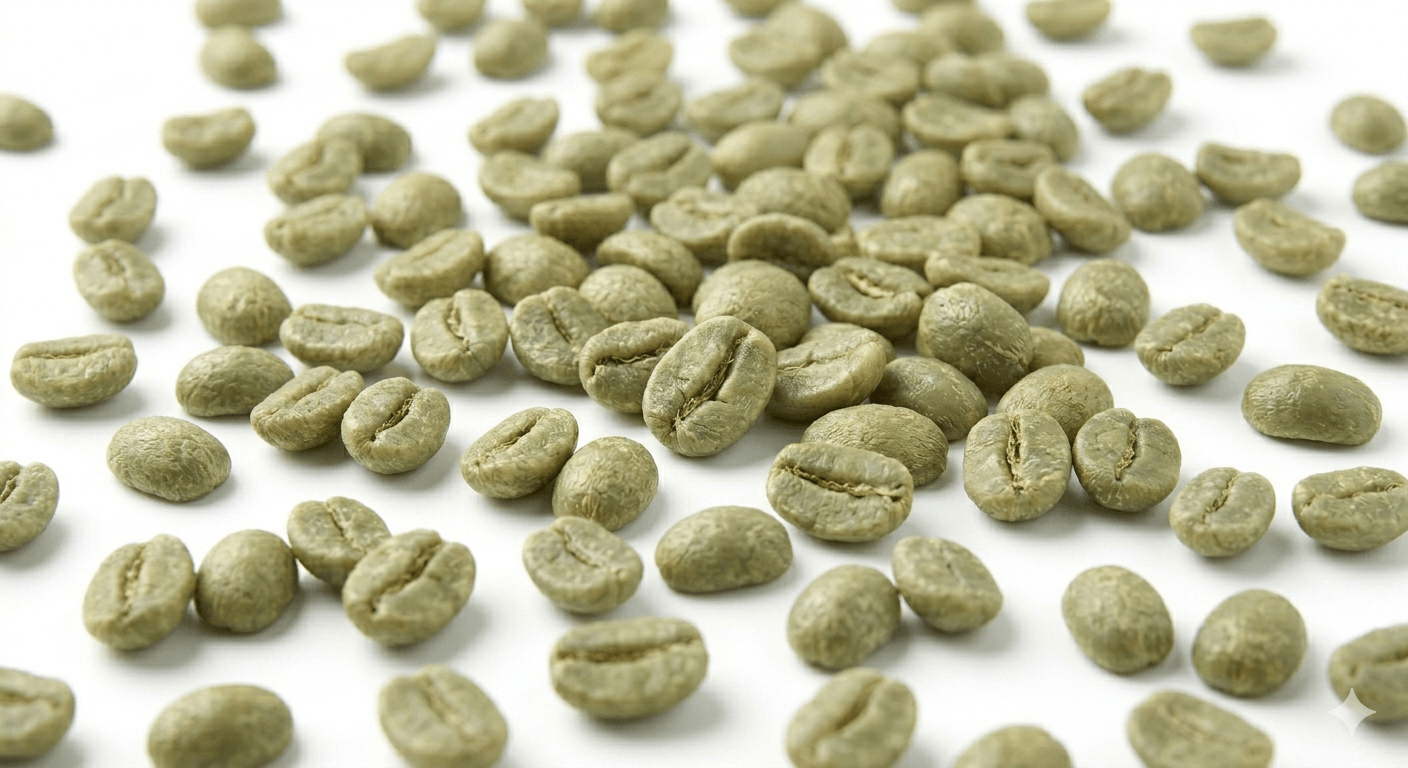
green coffee beans
Growing municipalities
Six
Coffee elevation
600 – 1,850 m
Harvest
May – October
Main varieties
Híbrido de Timor, Typica, Catimor

Coffee Map

Select a municipality for approximate coffee elevation, main varieties, harvest window, processing capability and the members operating there.

Origin intelligence

Coffee-growing municipalities

Circle area shows each municipality's approximate share of national production. Select a municipality for altitude, varieties, harvest window and the members operating there.

Coastline from Natural Earth (public domain). Municipality positions are the administrative centres; boundaries are not drawn. Production shares are sample figures.

Growing Regions

Six coffee-growing municipalities. Elevations are approximate coffee-growing ranges in metres above sea level.

region
  • Ermera

    Largest producing region

    The historic centre of Timor-Leste coffee and the largest producing municipality. Dense smallholder plots sit under shade on steep slopes above Gleno, with wet mills clustered along the river valleys.

    Elevation
    900 – 1,800 m
    Harvest
    Jun – Sep
    Varieties
    Híbrido de Timor, Typica, Catimor
    Members
    1 listed →
  • Ainaro

    The highest coffee in the country, grown on the flanks of Mount Ramelau. Dense beans and a long cool ripening window make Ainaro a focus for specialty lot separation.

    Elevation
    1,200 – 1,850 m
    Harvest
    Jun – Oct
    Varieties
    Híbrido de Timor, Typica, Catimor
    Members
    0 listed →
  • Aileu

    Closest producing municipality to Dili, which makes same-day cherry delivery possible. A common site for training and quality trials because of its access.

    Elevation
    1,000 – 1,700 m
    Harvest
    Jun – Sep
    Varieties
    Híbrido de Timor, Typica, Catimor
    Members
    0 listed →
  • Liquiçá

    Lower, warmer coastal slopes produce softer, sweeter profiles than the highland municipalities.

    Elevation
    600 – 1,200 m
    Harvest
    May – Aug
    Varieties
    Híbrido de Timor, Typica, Catimor
    Members
    0 listed →
  • Bobonaro

    Western border highlands with a growing cooperative base. Investment here is concentrated on central washing stations and road access to Dili.

    Elevation
    800 – 1,500 m
    Harvest
    May – Aug
    Varieties
    Híbrido de Timor, Typica, Catimor
    Members
    0 listed →
  • Manufahi

    South-facing highland slopes around Same, with a different rain pattern to the north coast. Small volumes, increasingly separated into micro-lots.

    Elevation
    1,000 – 1,800 m
    Harvest
    Jun – Sep
    Varieties
    Híbrido de Timor, Typica, Catimor
    Members
    0 listed →

Varieties

Three varieties account for effectively all production. Separating them at the mill is the sector's clearest quality lever.

Híbrido de Timor

The island hybrid

A naturally occurring Arabica–Robusta cross identified on Timor and later used worldwide as a source of leaf-rust resistance. Still grown here as a cup coffee, not only as breeding stock.

In the cup

Heavy body, low acidity, cocoa-forward sweetness when well processed.
Typica

The heirloom

Old Portuguese-era plantings surviving on shaded smallholder plots, often mixed within the same garden as hybrid trees.

In the cup

Cleaner acidity, more floral and tea-like at higher elevation.

Catimor

The renovation variety

Introduced through renovation and replanting programmes for yield and disease resistance, mostly on mid-elevation slopes.

In the cup

Straightforward and sweet; benefits most from careful fermentation.

Harvest Calendar

Picking opens on the lower coastal slopes and closes at altitude. Windows shift year to year with rainfall.

Ermera
Harvest Jun – Sep
Ainaro
Harvest Jun – Oct
Aileu
Harvest Jun – Sep
Liquiçá
Harvest May – Aug
Bobonaro
Harvest May – Aug
Manufahi
Harvest Jun – Sep

Indicative windows; picking shifts year to year with rainfall.

History of Coffee

  1. Early 1800s

    Coffee is introduced to Timor under Portuguese administration and spreads through the central highlands.

  2. Early 1900s

    Híbrido de Timor, a natural Arabica–Robusta cross, is identified on the island and later becomes a global source of rust resistance.

  3. 1970s – 1990s

    Production continues through a long period of disruption, with much of the crop traded as unseparated commodity coffee.

  4. 2000s onward

    Cooperatives, central wet mills and organic certification expand, and the first separated specialty lots reach international buyers.

  5. Today

    Processing capacity, lot documentation and traceability are the sector's focus, coordinated through ACT.

Processing, Quality & Sustainability

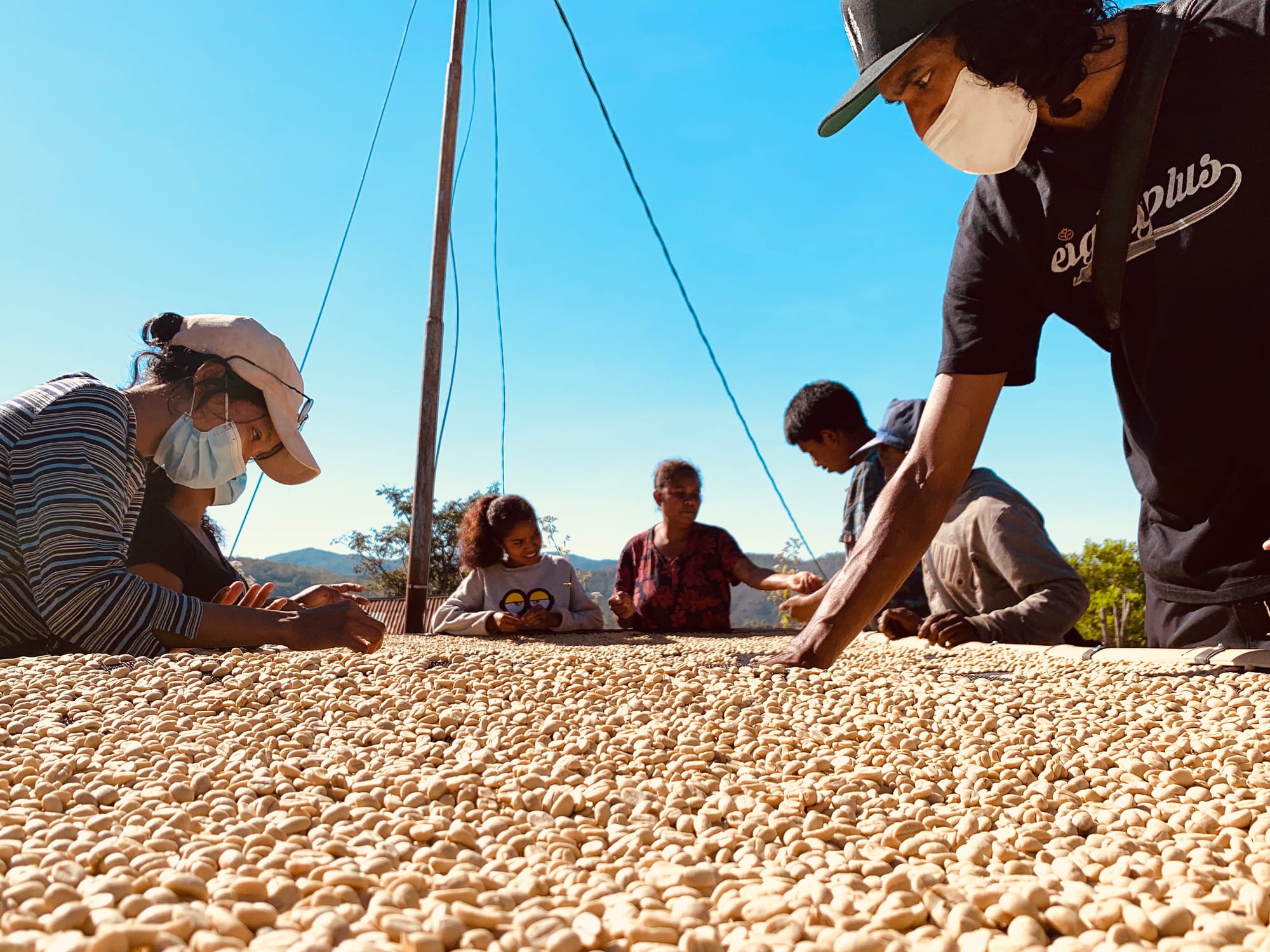
Coffee processing

Processing Methods

Fully washed dominates, with growing natural and honey capacity. The constraint is time between picking and pulping, which is why central washing stations matter.

Quality & Cupping

ACT operates a shared scoring protocol and subsidised grading so members receive written score sheets and defect reports on their lots.

Sustainability

Coffee here grows under shade in mixed gardens. Work concentrates on shade species, soil cover and the economics of renovating ageing trees.

Coffee Culture

Coffee is part of household and ceremonial life in the highlands, and a growing café and roasting scene has developed in Dili.

Export Information

  1. 1

    Lot preparation and documentation

    Dry milling, grading and moisture testing, with lot sheets identifying village, process and picking window.

  2. 2

    Quality report

    Cupping score and defect report issued before sampling, so buyers assess against a written reference.

  3. 3

    Sampling

    Pre-shipment samples couriered on request; ACT can coordinate multiple member samples in one shipment.

  4. 4

    Certificates and clearance

    Phytosanitary certificate, certificate of origin and any organic or scheme documentation.

  5. 5

    Shipment from Dili

    Container or LCL consolidation out of Dili port, typically in the months following harvest.